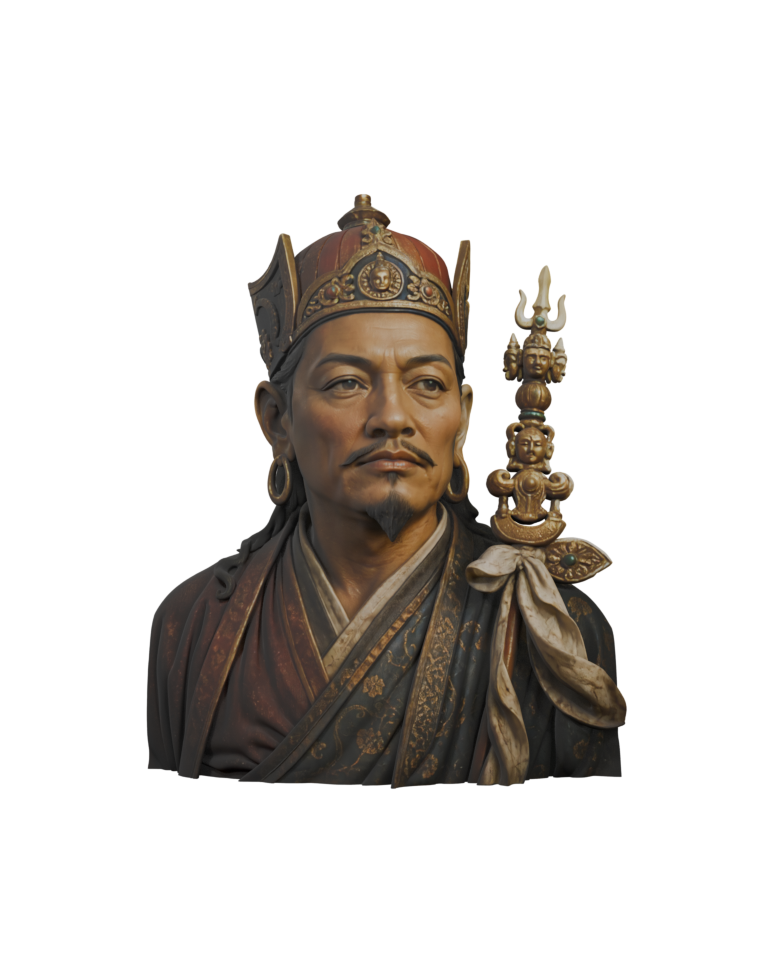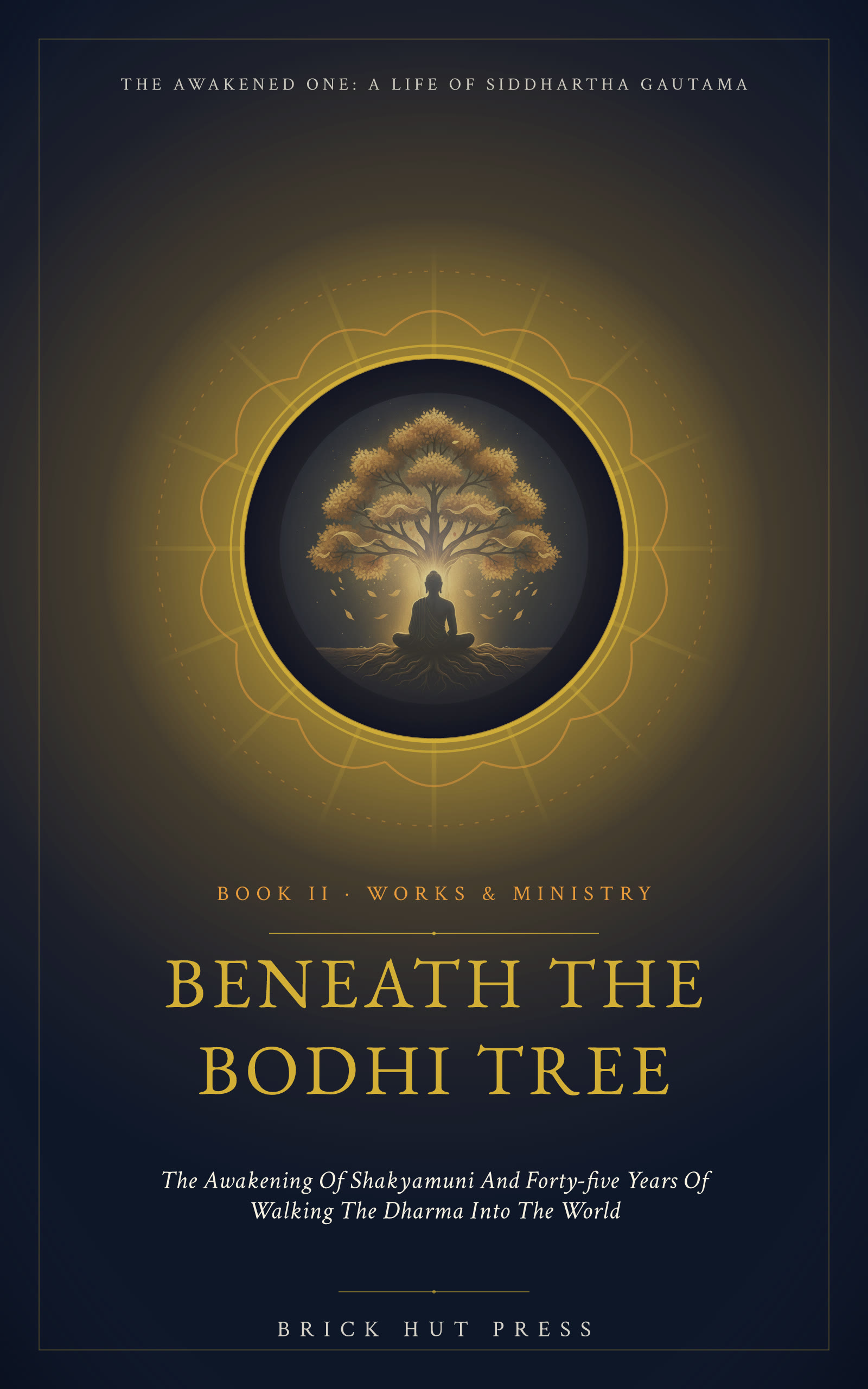
Beneath the Bodhi Tree
Meet the Buddha as a Living Presence, Not a Monument, But a Guide Six years of fierce seeking. One night beneath a pipal tree. Forty-five years of walking compassion into the world. Most of us know the outline.
Read the full description
But knowing an outline and truly meeting the Buddha, feeling the weight of his renunciation, the stillness of that pre-dawn moment of awakening, the tireless tenderness with which he turned toward suffering beings for nearly half a century, are two profoundly different experiences. Beneath the Bodhi Tree bridges that distance. Written in the warm, unhurried voice of a trusted dharma friend sharing stories on pilgrimage, this is the life of Shakyamuni Buddha told not as academic history but as a living encounter. Whether you sit in the Theravāda, Mahāyāna, or Vajrayāna tradition, or simply feel the pull of the path without yet naming it, this book meets you where you are and walks beside you.
About this volume
The first volume of this life left the young Siddhartha Gautama at the edge of the forest, a prince who had cut his hair with his own sword and sent his charioteer home alone. This second volume opens on the far side of that departure, in the last hours before dawn on the banks of the Nairanjana, and it does not linger in preamble. Within its first pages the reader is already seated beside him on the kusha grass, facing east, watching the sky over Uruvela go strange. What follows is the record, drawn from the tradition's own telling, in the plain cadences of Thomas and Ashvaghosha, of the night everything turned: Mara's armies, Mara's daughters, the earth called to witness, and the long quiet after that a wandering ascetic could finally call awakening.
But this book is not only about one night under one tree, however much weight that night rightly carries. It traces the years that led to it, the two teachers whose ceilings he found and left, the five companions who shared his fast and misunderstood his choice, the bowl of rice milk from a village woman named Sujata that ended six years of near-starvation, and then it follows him outward again, into the forty-five years he spent walking the roads of the Gangetic plain teaching what he had found. The chapters on the weeks he sat unmoving beneath and beside the bodhi tree, tasting the flavor of his own liberation before he decided whether it could even be spoken, give way to the Deer Park at Isipatana, where four noble truths were offered for the first time to five men who had almost walked away from him.
From there the volume widens, deliberately, into the long middle of a teaching life that most retellings rush past in favor of the dramatic bookends. The sangha's growth is treated here not as background but as its own kind of miracle, a river fed by kings and outcastes, merchants and murderers turned monks, gathering width as it moved. The homecoming to Kapilavastu, where a father saw his son again as something other than a son, and the chapter on the women who insisted on the path, Mahapajapati foremost among them, are given the same careful attention as the awakening itself, because the volume takes seriously that a teaching is proven in the difficulty of its being lived, not only in the beauty of its origin.
The later chapters do not soften what was hard. Devadatta's opposition is presented plainly, as the tradition itself remembers it: not a footnote of villainy but a real fracture within the community, and one the book asks the reader to sit with rather than resolve too quickly. The final chapter, on the last rains at Vesali, closes this volume before the parinirvana that a subsequent book will hold, this is a volume of walking, teaching, aging in the body while the dharma itself seemed to grow only more vigorous, more widely rooted, less bound to any one town or any one season.
Readers of the first volume will recognize the same patient attention to place, the rivers, the groves, the named villagers who appear once and matter enormously, carried forward here into the harder terrain of a life spent teaching. Readers new to this life will find the volume complete enough to stand alone: it assumes only that something profound happened beneath a tree near Uruvela, and it spends its pages showing, with care and without embellishment, what the tradition says came before that night, what came out of it, and what forty-five years of walking it into the world actually looked like, village by village, rains retreat by rains retreat, until an old teacher turned north one last time toward Vesali.
Not sure yet? Begin freely.
The Morning Star, a complete portrait of this life, free, kept in your own library here. The door into all 3 volumes.
Receive the free book →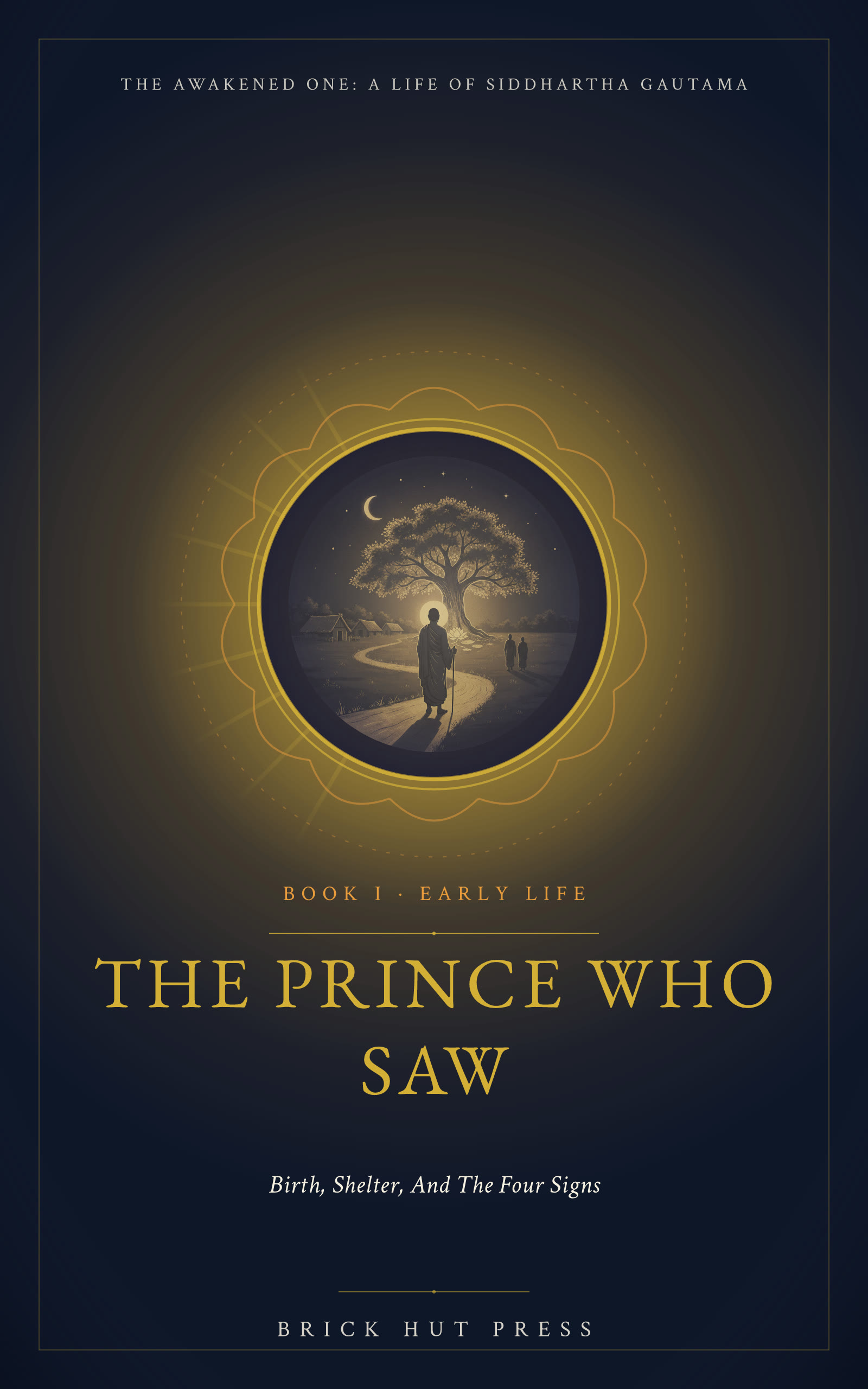
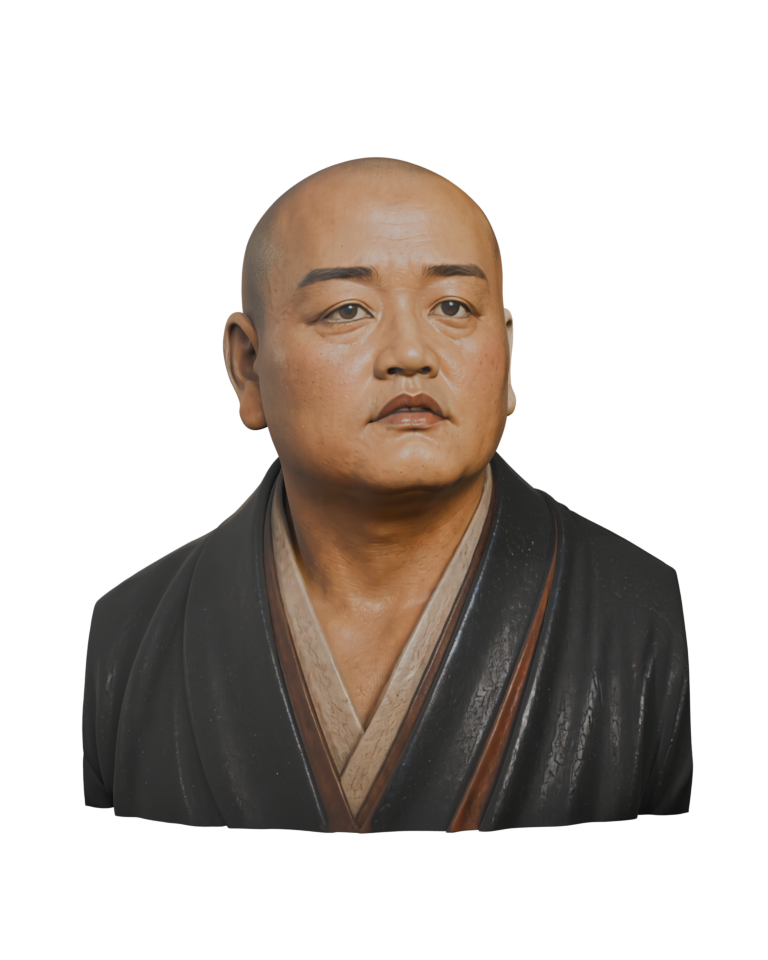
Lives that walk beside Siddhartha Gautama, chosen for their likeness, not their fame.