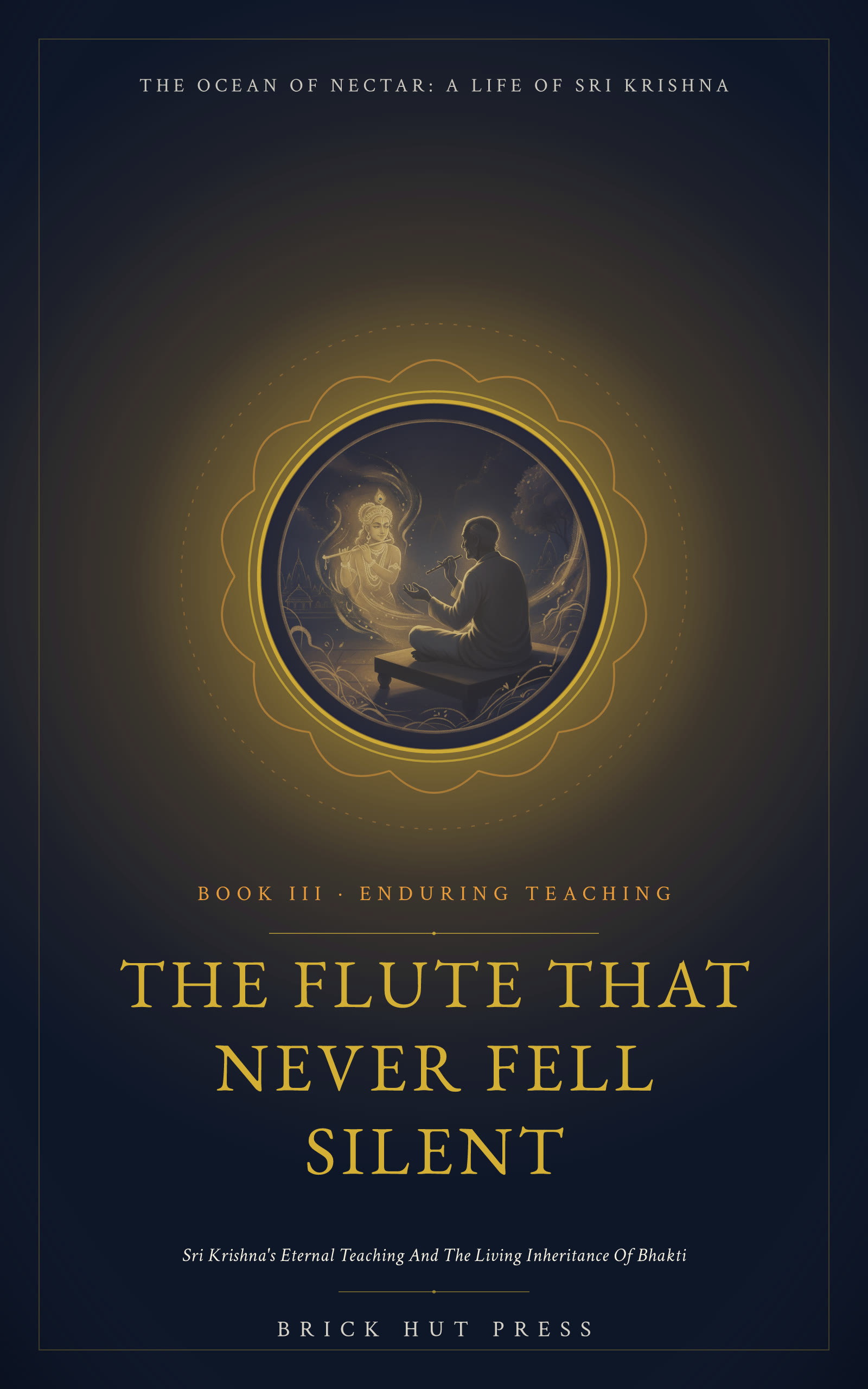
The Flute That Never Fell Silent
His flute stopped playing. The song never ended. When Sri Krishna departed from this world, He left behind no throne, no empire, no monument of stone. He left a Name that holds the universe. He left a river of saints who carried His song through every age, every language, every heartbreak and homecoming. He left the Bhagavad Gita, words spoken on a battlefield that still answer questions whispered in the dark.
Read the full description
And He left the path itself, worn smooth and still warm, leading always back to Vrindavan. The flute has never fallen silent. The Flute That Never Fell Silent traces the living inheritance of bhakti from the morning Kali Yuga began to the Name that pulses through it all. This book does not treat Krishna as a figure of mythology or a subject of academic study. It approaches Him as the Beloved, ever-present, ever-calling, closer than breath.
About this volume
Every reader of the first two volumes of this Ocean of Nectar arrives at this third book already knowing how it must begin: with an arrow, a hunter's mistake, and the quiet forest at Prabhasa where the Lord's earthly sojourn draws to its close. But Volume Three is not a book about an ending. It opens there only to ask the question that has occupied devotees for twenty-five centuries since: if the Lord withdrew his visible form from the world, what did he leave behind, and how has that inheritance been carried, generation after generation, into hands that never touched him? The answer this volume offers is the flute, not the wooden instrument itself, but the sound it made, which the tradition insists never actually stopped.
The chapters that follow trace that sound through history as it takes root in scripture, in poetry, in the lives of teachers and lovers of God who each found their own way back to Vrindavan without ever leaving their own century. We move from the day the Age of Kali is said to have begun, through the compiling of the Bhagavata Purana, "the Scripture That Came After Him," written to be his living presence on earth in the absence of his body, and into the extraordinary flowering of the Gita Govinda, the song Jayadeva could not, by his own account, finish alone. From there the volume turns to the great philosophical architects of devotion: Ramanuja, who threw open a gate that had seemed shut to ordinary worshippers, and Madhva, who insisted with unflinching rigor on the irreducible, ever-distinct face of God. These are not dry doctrinal detours; the book treats them as love affairs conducted in the register of argument, each teacher wrestling with how a formless Absolute could also be the flute-player of Gokul.
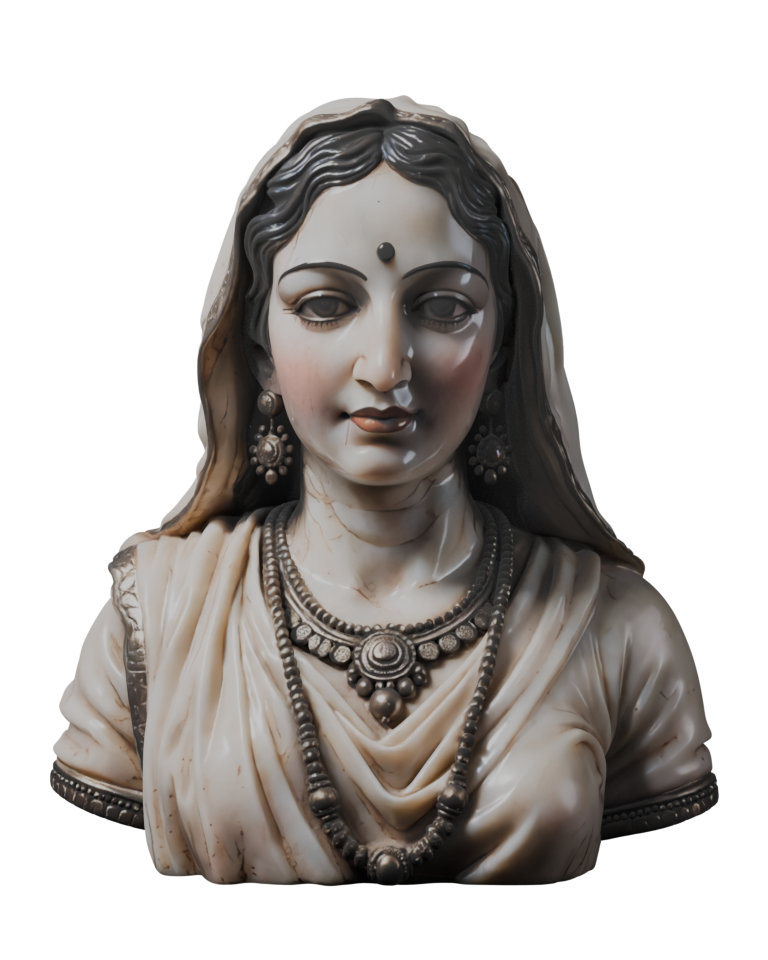
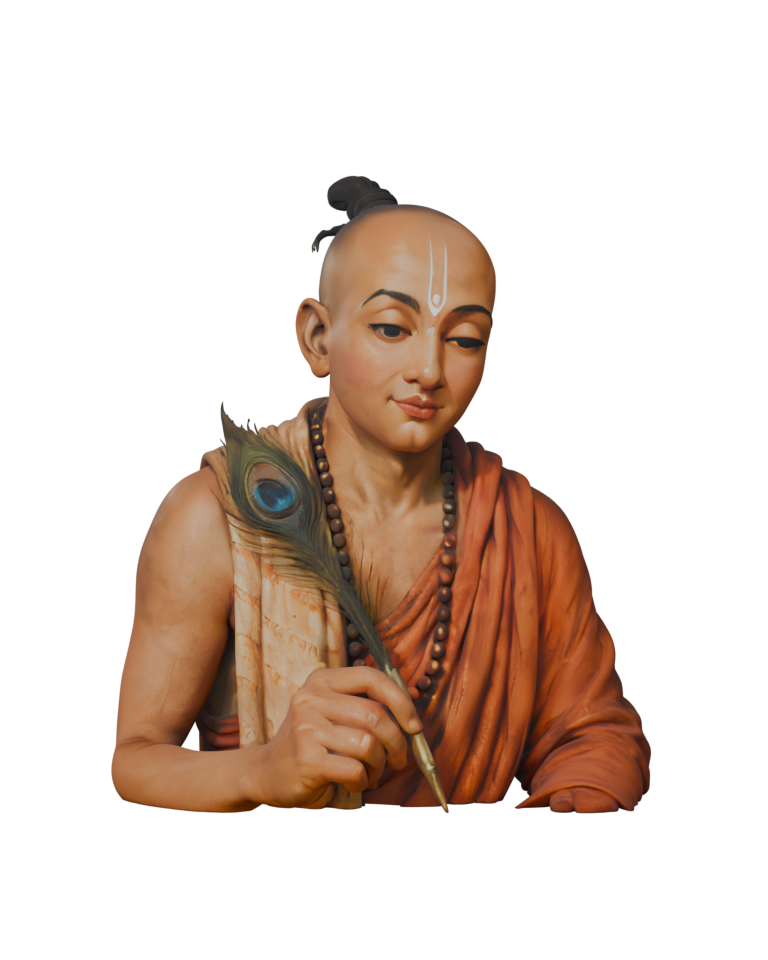
At its heart, though, this volume is a book of devotees, and it lingers with evident affection over the golden devotee who danced in the streets of Nabadwip, over the six friends who left the comforts of Bengal to walk the forests of Braj until they had, quite literally, found Vrindavan again beneath centuries of forgetting. It gives Mira her full due, not as a historical curiosity but as a queen who declared she had no other husband and meant it with her whole life, and it sits with Vallabha's teaching of grace, the way of pure, unearned love that asks nothing of the devotee but surrender. Each of these lives is presented as a fresh proof that the Lord's promise to remain accessible was not rhetorical. The chapters do not merely report what these figures believed; they let the reader feel why weeping, dancing, and singing in the street once seemed like the only sane response to the fact of Krishna.
The book's final movement turns toward vigil and invitation. "The Midnight Vigil" and "Come to Vrindavan" are not chapters of abstract theology but of practice, of the hours devotees still keep, the pilgrimage still walked, the sense that the forest by the Yamuna remains, in some real way, inhabited. "The Gita in Every Age" closes the historical arc by asking what Krishna's teaching on the battlefield at Kurukshetra has meant to each era that has picked it up anew, while the last chapter, "The Name That Holds Everything," brings the whole volume down to its simplest instrument: the repetition of a name, available to anyone, in any place, without ornament.
Readers who have followed Krishna from Gokul's cowherd lanes through the court intrigues and the war at Kurukshetra in the earlier volumes will find here the natural continuation of that story, not a myth's aftermath, but its living second half. This is a book for anyone who has wondered how devotion outlives its object, how a departed Lord becomes, through scripture, poetry, and the stubborn love of ordinary people, more present rather than less. It asks to be read slowly, the way one listens for a sound that is said never to have stopped.
Not sure yet? Begin freely.
One Drop of the Ocean, a complete portrait of this life, free, kept in your own library here. The door into all 3 volumes.
Receive the free book →
Lives that walk beside Sri Krishna, chosen for their likeness, not their fame.